
Stop Burning Engineering Hours on FCA Report-Building
Add Both Margin and Customer Value
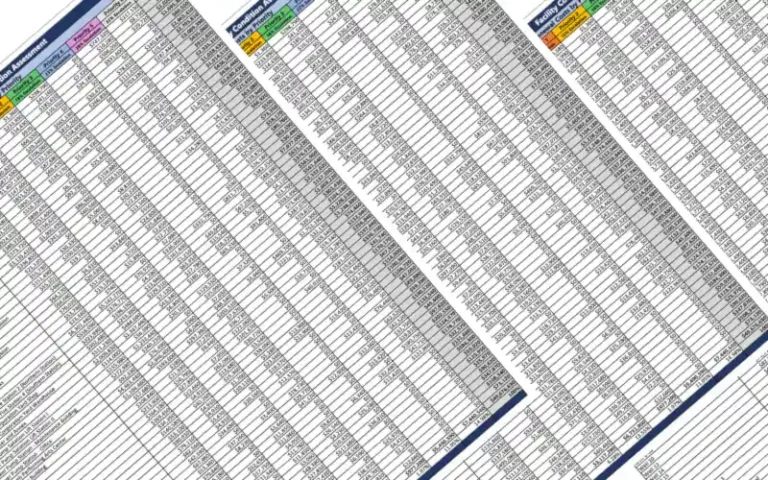
Every FCA project has three main cost centers: field collection, QC, and report assembly. Report assembly eats at least a third of total project cost. Larger portfolios push that ratio even higher. Photo renaming, pagination, formatting, boilerplate executive summaries, narrative polish — none of it is engineering. But it’s being done by engineers, or at minimum, it’s consuming project hours that could fund engineering.
Reports Became the Default Because Nobody Questioned Them
Owners ask for reports because that’s what firms deliver. Firms deliver reports because owners ask. It’s a chicken-or-egg loop that’s persisted for decades — not because the report is the optimal format, but because it was historically the only communication method available.
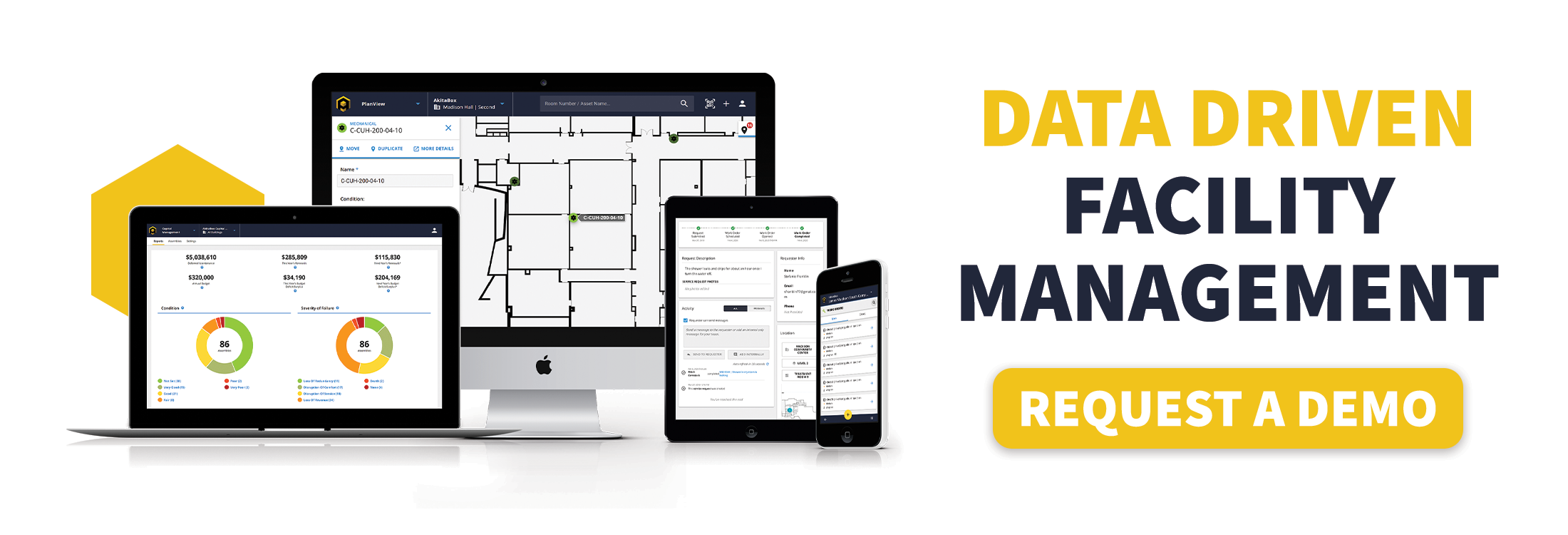
Reports as snapshots in time still have genuine value. K-12 boards need digestible summaries for bond conversations. Higher ed needs documentation for deferred maintenance reporting. But the snapshot doesn’t have to be a hand-built document. While a hand-assembled report takes weeks, a snapshot report pulled from live data in a system like AkitaBox takes minutes.
The Real Cost Goes Beyond Your Hours
A static report that takes weeks to prepare is stale the day it’s delivered. Priorities shift. Equipment gets replaced mid-cycle. Emergency projects consume budget that was earmarked for items on page 47.
The real cost isn’t just your assembly hours. It’s that the client doesn’t get lasting value, restarts from scratch on the next engagement, and the firm has to re-win (and risk losing) the same project rather than building on previous work.
Your Expertise Is Being Misallocated
AEC firms bring engineering judgment that clients cannot replicate internally. You’ve seen hundreds of buildings and know where risk concentrates, how remaining useful life actually plays out versus manufacturer estimates, and how to sequence capital across competing priorities.
But when a third of project hours goes to document compiling and formatting, it’s worth asking: are you strategy consultants who produce a document, or document producers who happen to have engineering expertise?
What Changes When the Data IS the Deliverable
Capturing directly into a purpose-built system means the report-building phase compresses dramatically. Cushman & Wakefield Services went from 16-25 assets captured per day per person with manual methods to 70-75 per day with AkitaBox Capture — project timelines reduced from months to weeks, labor requirements cut 30% for data capture alone.
The hours you recover in software like AkitaBox can be reallocated to work clients actually value: facilitated planning sessions where you’re clicking through scenarios live. “Can’t afford priorities 1 through 3? Let’s look at all P1s across the portfolio and pick the critical P2s that protect long-term value.” That positions a firm as a planning partner, not a document vendor.
The client watches data respond to their specific questions in real time. Filter to one building. Adjust the funding scenario. Show what happens if they defer HVAC another three years. That interaction changes client perception from “firm that delivered a report” to “firm that helps us make decisions.”
Sticky Beats Transactional
When the data lives in a system rather than a binder, the engagement doesn’t end at delivery. Annual updates, re-prioritization sessions, scenario planning as budgets shift — all of it becomes recurring advisory work rather than a lumpy project cycle.
Less re-selling. Higher margin hours. Clients who call you before the RFP goes out because you’re already embedded in their planning process.
The Board Still Gets Their Charts
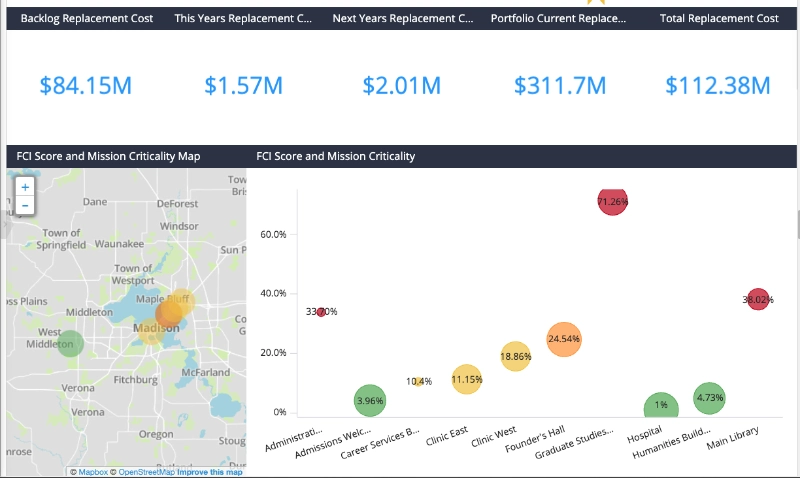
Executives still need digestible summaries. That hasn’t changed. What’s changed is how those summaries get produced. A one-click export from a live system like AkitaBox serves the same purpose as a hand-assembled executive summary — without the weeks of assembly time.
Public-facing dashboards are emerging as an alternative to printed board packets. Firms that can deliver both the interactive planning tool and the polished snapshot for governance purposes win more work than firms offering only the binder.
Who Goes First
Both parties need to shift. The firm that proactively proposes a data deliverable with advisory time built into the scope — rather than weeks of binder assembly — stands out in an RFP. And owners who experience a live data walkthrough, where their questions get answered by filtering rather than by flipping pages, don’t go back to requesting static documents.
AkitaBox has been implemented in over 500 million square feet. AEC firms use it to capture data faster, eliminate manual report assembly, and deliver dynamic, maintainable data to their clients. Learn more about AkitaBox for AEC.