
Why Fire Life Safety Needs More Than an Annual Inspection
The Smallest System That Can Shut Down Your Building
I’ve spent more than 20 years in fire life safety, and if there’s one thing I’ve learned, it’s that the smallest system in a building often carries the biggest weight. A fire alarm panel takes up a sliver of square footage compared to your HVAC, roofing, or electrical infrastructure. But when it stops working, the whole building stops with it. Tenants can’t occupy. Manufacturing lines shut down. Schools can’t hold class.
I recently joined the Facilities Unfiltered podcast to dig into this topic, and I wanted to expand on a few of the themes we covered.
Small System, Outsized Consequences
Fire life safety doesn’t get the spotlight that capital-heavy systems do. And because it’s so small relative to the overall building, it’s easy to treat as a once-a-year compliance task. Schedule the inspection, get the sticker, move on.
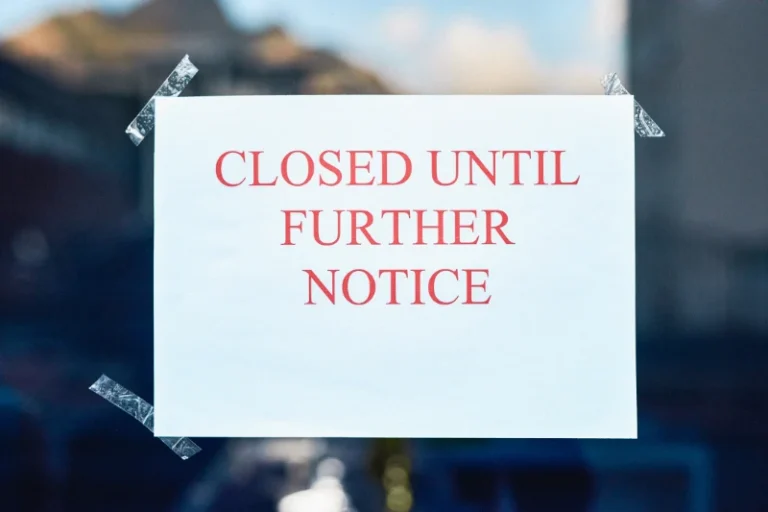
But a failing rooftop unit creates discomfort. A failing fire alarm panel creates a red tag, a fire watch, and a hard stop on occupancy. Maintenance is code-driven and continual. These systems don’t forgive long stretches of neglect. Fire life safety deserves the same visibility in your maintenance program as any major mechanical system. I’d argue more.
The Real Pitfall Isn't Budget. It's Understanding.
The most common pitfall I see isn’t about cost-cutting or skipped inspections. It comes down to a limited understanding of what these systems actually require. People on the front lines often learn fire life safety the hard way, through fire watches, ground fault nightmares, and expensive mistakes.
That knowledge gap is the single biggest source of preventable downtime and emergency spend I see in the field. Not because anyone is being careless, but because nobody ever handed them the manual.
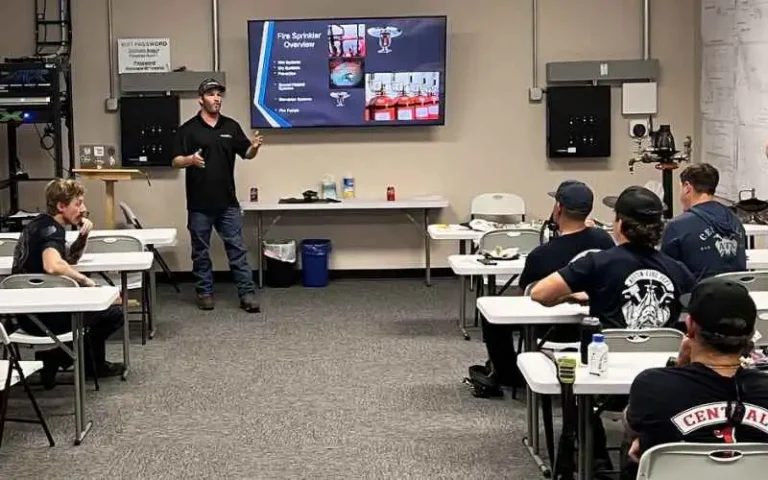
This is why education needs to be a core part of FLS. At Firetrol, we have a lab where we bring in teams of up to 50 for multi-day, hands-on training on wet sprinkler, dry sprinkler, and fire alarm systems. Property managers learn what a priority-one signal looks like. Contractors learn what a complete bid package needs before change orders pile up. FMs get to push, pull, and listen to equipment in a low-stakes environment, so the first time they hear an alarm isn’t during an actual emergency.
An educated customer is an empowered customer. Fear gets replaced with familiarity. Reactive scrambling gets replaced with informed decisions, and the relationship between owner, contractor, and service provider becomes a partnership instead of a transaction.
What Good Fire Life Safety Education Should Cover
If you’re evaluating training, look for content that goes beyond compliance theater:
- Trouble vs alarm signals. What’s a nuisance, what’s a warning, what requires immediate response.
- Wet and dry sprinkler basics. How they differ, what causes false trips, seasonal maintenance needs.
- Fire alarm fundamentals. Panel types, common fault conditions, ground faults, supervisory signals.
- Priority and escalation. Who calls who, when, and what a priority-one event requires.
- Basic diagnostics. Enough to triage before the service truck rolls.
- Design awareness for AEC partners. What a complete bid package looks like and where change orders typically originate.
The Question Most Owners Can't Answer: What Kind of Fire Alarm System Do You Have?
Here’s one worth asking your team this week: is your fire alarm system proprietary or open?
One of the most common worst-case scenarios I see is a building with a proprietary system that only one company in town can service, and that system has stopped working. The building is red-tagged. Replacing the system requires permits and submittals that take weeks. Plans are missing. The age of the cabling is unknown. Fire watch is running the whole time.
A proprietary system isn’t inherently bad. The problem is when an owner inherits a building and only discovers the proprietary nature when the panel dies. At that point, the moat isn’t protecting a vendor relationship. It’s trapping the owner.
The fix isn’t dramatic. Check the panel for a name and number. Call the original installer if you can. Pull permits from the city. If plans don’t exist, pay to have them drawn up before you need them urgently. We do that work for our customers, and I’d encourage anyone to find a partner who will.

Keep Fire Life Safety Visible Year-Round
You don’t need a complete program overhaul. You need visibility, documentation, and a few good habits.
- Inventory what you have.
Document every fire life safety asset: panels, devices, sprinkler systems, pumps, extinguishers. Note the manufacturer, age, and whether it’s proprietary. The cost of getting current is always less than the cost of being stuck. - Integrate it into your maintenance program.
Fire life safety shouldn’t live on a separate spreadsheet nobody checks between annual inspections. Put it in the same system you use for HVAC, electrical, and plumbing. - Go beyond annual compliance.
Code-required inspections are a floor, not a ceiling. Build preventive maintenance schedules that match actual equipment needs. - Educate your team.
Send your FMs, property managers, and front-line staff to training. The people who answer the phone when an alarm goes off should know what they’re hearing. - Plan for end-of-life before end-of-life.
If your panel is aging, start the replacement conversation now. Submittals, permits, site surveys, and design take weeks. A proactive plan beats a frantic one every time.
The Takeaway on Fire Life Safety
Fire life safety is the smallest system in your building with the largest power to stop everything. Managing it well doesn’t take a massive budget. It takes visibility, documentation, and a commitment to education. The owners and FMs who get ahead of this aren’t the ones with the deepest pockets. They’re the ones who understood early that knowing what you have is the cheapest insurance policy a building can have.