
With so many moving parts in the RFP process, it’s easy to chalk up a loss to “they went with someone cheaper” or “we just weren’t a fit.” But we’ve seen hundreds of facility condition assessment RFPs come and go, and the firms that win them aren’t always the cheapest or even the most experienced. They’re the ones who’ve figured out what building owners actually want.
We’ve compiled a list of the top 5 reasons AEC firms lose FCA and other RFPs, based on years of working with firms across the country and a lot of conversations about what went wrong. The good news? Every one of these mistakes is an opportunity to do it better next time.
1. You're Still Delivering Static PDFs When Owners Want Living Data
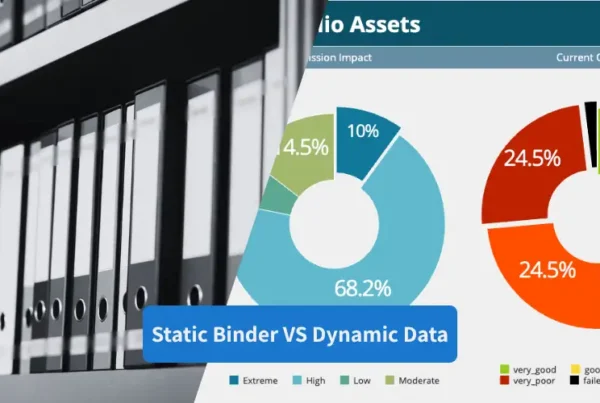
If your FCA deliverable is a 20,000-page binder (or worse, a static PDF that’s basically a digital binder), you’re starting at a disadvantage. More and more building owners are requesting their FCA results in software form versus paper or a static PDF. If you’re not providing that deliverable, that puts you out of the running for plenty of RFPs.
Think about it from the owner’s perspective: they don’t deal with FCAs every day. They spend time with an assessment maybe once every five to seven years. When they finally crack open that binder, they’re looking for the capital expenditure recommendations, maybe a summary. The other thousands of pages? They sit on a shelf as a shrine to all the hard work that was done, and then eventually end up in the trash.
One AEC consultant we spoke with put it perfectly: “You hand somebody a spreadsheet and a Word document or a PDF… they look at it once and they don’t come back to it.”
When the invaluable condition data you collected sits in a static document, it’s ultimately inaccessible because it’s so difficult to sort through. That makes it unusable. Clients want searchable, sortable, visual data they can actually work with, not a paperweight.
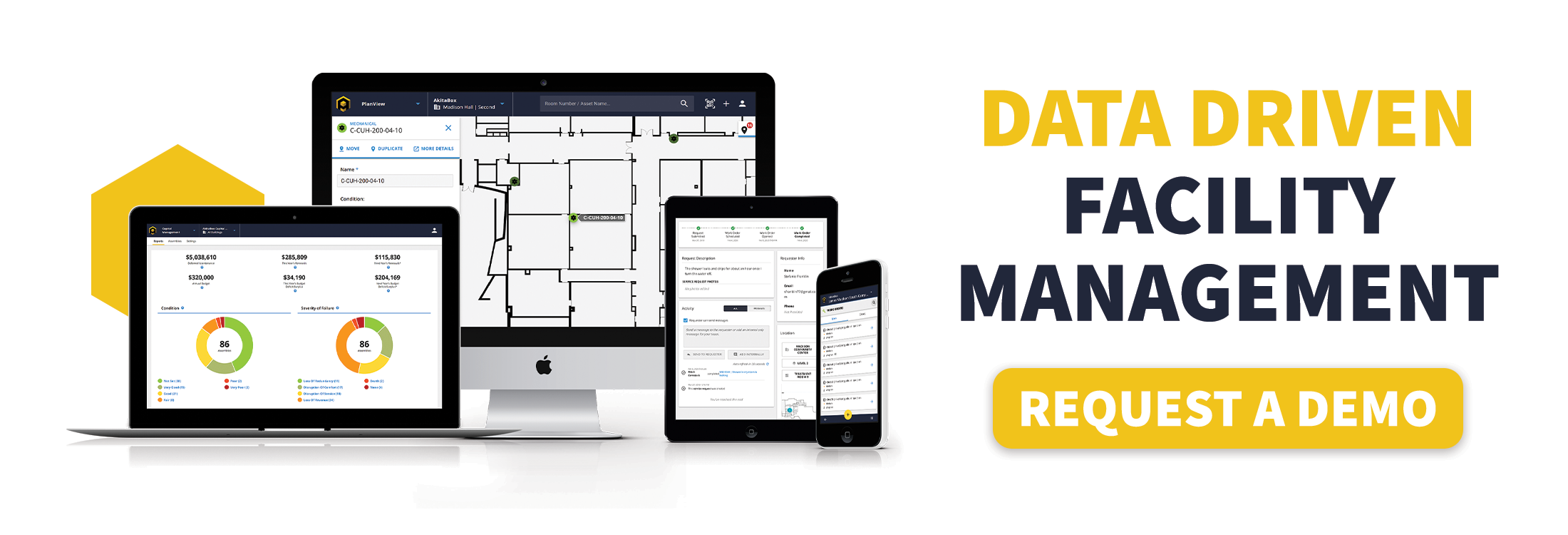
The firms winning RFPs today are delivering living FCAs: interactive platforms where owners can view assets on a floor plan, track conditions over time, and actually use the data year after year. If your deliverable becomes obsolete the moment you hand it over, you’re not just losing RFPs. You’re leaving money on the table.

2. Your Proposals Look Exactly Like Everyone Else's
Imagine you’re a building owner preparing to sit through six FCA pitches. Every firm walks in with their Gantt chart, their project schedule, and all the pieces of an industry-standard FCA presentation. To the owner, all the pitches look the same.
So what happens when a client has to choose between six different versions of the same thing? They buy based on price. The cheapest option that provides what they need wins.
If your process is the same as everyone else’s and your deliverable looks the same as everyone else’s, you’ve given the client no reason to pay more for you. You’re not competing on value. You’re competing on who can do it for less.
The firms that dominate instead of compete are the ones bringing something different to the table. Maybe it’s a software-enabled deliverable. Maybe it’s a partnership model that extends beyond the initial assessment. Maybe it’s location-based asset mapping that lets owners visualize exactly where their problem areas are. Whatever it is, it’s something the other five firms in the room aren’t offering.
In a world where every FCA is done the same way, presented the same way, and looks the same to building owners, there’s definitely an opportunity to stand out. The question is whether you’re going to take it.
3. You're Not Offering Ongoing Value Beyond the One-Time Assessment

The traditional FCA model goes like this: client issues RFP, you win the bid, you do the assessment, you deliver the report, everyone shakes hands, and you don’t talk again for five to seven years. Maybe longer.
That model is dying.
The private sector is increasingly moving away from one-and-done assessments toward ongoing partnerships. The firms positioning themselves as long-term partners from day one—not after the project ends, but in the initial pitch—are the ones winning the work.
Think about it from the owner’s perspective. They’ve just spent a significant chunk of their budget on a comprehensive facility assessment. They’ve got all this data. Now what? Do they really want to figure out how to use it on their own? Do they want to wait another five years before talking to anyone who understands their buildings?
One engineering partner we work with described it this way: delivering a software-enabled assessment “implicitly implies there’s a long-term relationship with you and the client.” That’s the shift. When you deliver a living assessment, you’re not just handing over a report. You’re opening a door to an ongoing relationship. You’re positioning yourself as a resource, not a vendor.
The firms winning RFPs today are the ones that make the ongoing relationship part of the initial value proposition. They’re not waiting until after the project to suggest continued engagement. They’re building it into the pitch from the start.
4. Your Response Process Is Slowing You Down
Your internal processes might be killing your chances before you even submit.
The average AEC team takes 16 days to complete an RFP response, with 40% spending 20 or more days. Compare that to the cross-industry average of just 9.3 days. AEC firms are nearly twice as slow as everyone else.
And it’s costing them. According to OpenAsset’s State of Proposals report, 79% of proposal teams say their firm has lost work specifically because of proposal delays.
Meanwhile, 37% of AEC firms use four or more disconnected applications per project, and 40% of workers spend more than a quarter of their workweek on repetitive tasks.
When your proposal team spends three weeks assembling a response that should take one, you’re not just frustrating your staff—you’re missing deadlines, submitting rushed work, and watching opportunities slip away. You might have the best technical team in the region. You might deliver the most thorough assessments. None of that matters if your proposal lands a day late or looks like it was thrown together at the last minute.
The fix isn’t necessarily working harder. It’s working smarter: streamlined processes, centralized content, and systems that don’t require your proposal manager to chase down the same information for every single submission.
5. You're Bidding on Everything Instead of Positioning Strategically
Proposals only hit about 40% of the time in AEC. Yet plenty of firms chase every RFP that crosses the desk, burning out their teams on bids they were never positioned to win.
Industry discussions reveal a familiar pattern: firms losing 70% or more of RFPs they weren’t pre-positioned for, leading to proposal fatigue and declining quality across the board. When you’re grinding through your fifth proposal this month for a client who’s never heard of you, something’s broken.
The smarter play? A formal go/no-go process. Recent industry data shows that while proposal submissions fell 38% from 2024 to 2025, the total dollar value of awarded work rose 52%. The firms that are winning are being selective—and it’s paying off.
Not every RFP is worth your time. The ones worth pursuing are the ones where you have a relationship, a track record, or a genuine competitive advantage. Everything else is just noise.
The Takeaway
Losing RFPs stings, but every loss is a chance to examine what went wrong and do it better next time. The firms that win consistently aren’t the ones with the lowest prices or the longest resumes. They’re the ones that understand what building owners actually want: interactive data, ongoing partnerships, responsive processes, and something that makes them stand out from the other five firms in the room.
If you’re ready to stop competing and start dominating, it might be time to rethink not just your proposals, but your entire approach to facility assessments.