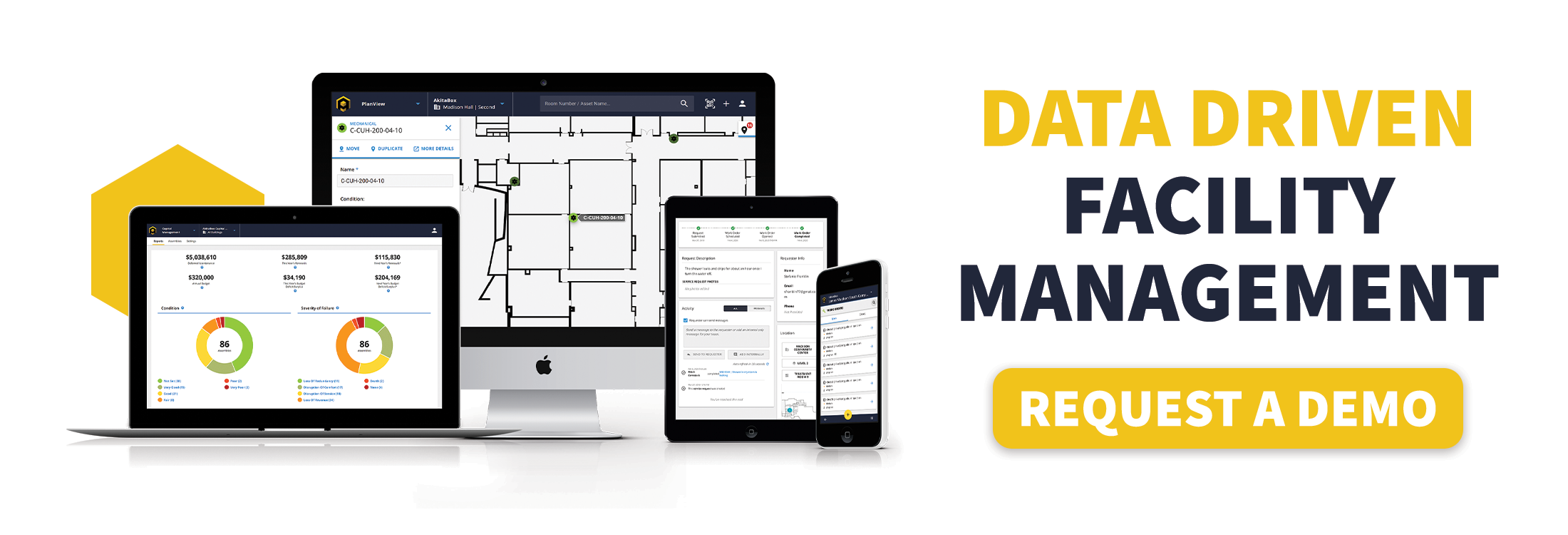

There’s a lot of facility data out there. Good data, bad data, and—perhaps most frustrating—data that nobody knows what to do with.
Facility teams are collecting more information than ever before. Condition assessments, asset inventories, maintenance histories, FCI scores—the list goes on. But here’s the thing: having data isn’t the same as having a plan. And without a cohesive strategy for how that data gets collected, standardized, and used, you’re left with numbers that don’t add up and decisions that feel like guesswork.
The Data Consistency Problem
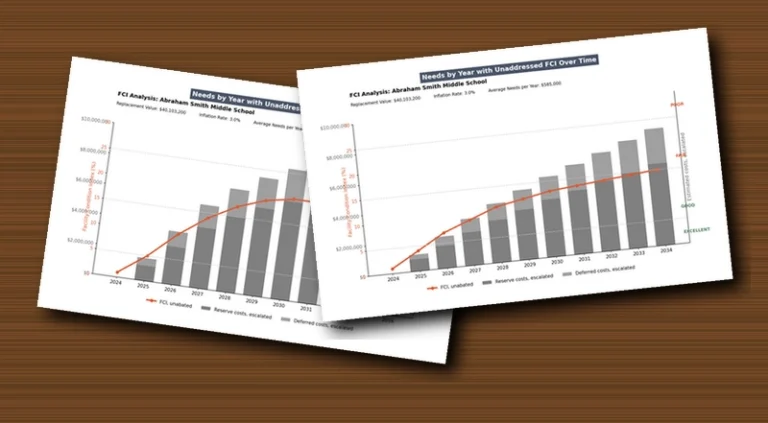
Here’s a scenario that plays out often: An organization hires a firm to conduct a facility condition assessment. The firm does excellent work—thorough, professional, right on scope. They deliver a report with FCI scores, condition ratings, and recommendations. Five or six years later, the organization goes out to bid again. A different firm wins the contract, also does excellent work, and delivers their report.
And then someone notices that a building got better.
No money was spent on it. No improvements were made. But according to the new assessment, the condition improved.
Or the opposite happens—significant investment goes into a facility, and the new report shows it’s in worse shape than before.
What’s going on? It’s not that one firm did bad work. It’s that each firm brought their own methodology, their own scoring approach, their own professional judgment. Both delivered quality products. But without a consistent strategy on the owner’s side, the data doesn’t line up.
This is especially common right now in K-12, where referendums and bonds are driving a wave of new assessments. Districts are comparing reports from different firms, different years, different methodologies—and the results don’t make sense.
“I Just Need Data” Isn’t a Strategy
When facility teams go looking for assessment services, the instinct is often to lean on the professionals. They’re the experts, after all. Hand them the keys, let them do their thing, and trust that the deliverable will be useful.
But “I just need data” is a starting point that leaves too much undefined.
Before any data gets collected, owners need to answer some fundamental questions:
- What does “condition” mean for your organization? Different firms define it differently. If you haven’t established your own definition, you’re adopting theirs by default.
- What’s your scope of work? Are you assessing everything, or focusing on specific systems? What about infrastructure components that can’t be easily observed?
- How will this data impact decision-making? If you don’t know how you’ll use the information, you can’t ensure it’s being collected in a way that serves your needs.
Create definitions that persist across engagements. When a new firm comes in, hand them your standards and ask them to work within that framework.
Truly Understanding the Scope of an Assessment
That scope question deserves a closer look, because it’s where expectations and reality diverge most dramatically. Consider infrastructure—the piping, ductwork, branch wiring, and other systems that feed your equipment but aren’t always visible. How do you budget for replacing a pipe that runs from a unit all the way back to the main? The answer varies wildly from firm to firm.
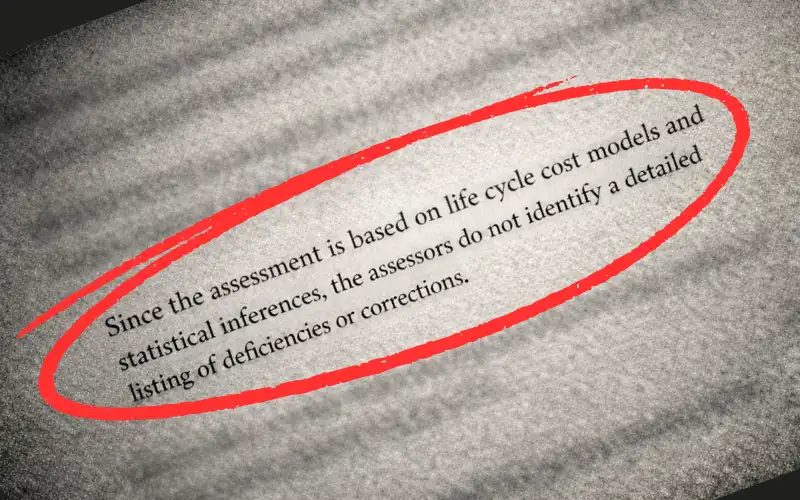
Owners often don’t realize the difference between data from physical observation and data from a model or assumption. If they see an item on a list, they assume someone looked at it. They don’t read the fine print explaining that branch wiring costs were estimated based on building age rather than an actual count of outlets.
The solution isn’t to demand eyes-on assessment of every component—that’s neither practical nor cost-effective. The solution is to decide upfront how you want these elements handled, document it, and make that part of your requirements.
Overcoming the Prioritization Gap
Let’s say you’ve done the work to normalize your data. You’ve aligned methodologies, reconciled past assessments with current ones, and now you’re looking at a cohesive picture of your facilities.
You still have a problem: you don’t have enough money.
Nobody does. Capital budgets are always limited, and the backlog of deferred maintenance is always longer than the funding available to address it. So how do you decide what gets done first?
This is where prioritization metrics come in—and where things often fall apart. Different firms use different approaches. Some prioritize by age and expected useful life. Some factor in criticality or risk of failure. Some use proprietary scoring systems. All of these can be valid, but if you’re relying on whatever prioritization method your current vendor happens to use, you’re going to get inconsistent results over time.
Assessments will always be somewhat subjective. Two people can look at the same 20-year-old RTU and come away with slightly different takes. That’s not the problem—you’re never going to eliminate that variability. The goal is to have a consistent way to act on the information regardless of who collected it.
Organizations need to own their prioritization standards. Decide what “impact” means. Decide which assets you’re okay running to failure. Establish those criteria upfront, and apply them consistently regardless of which firm is collecting the data. Make it part of your RFP requirements.
Data Needs Maintenance Too
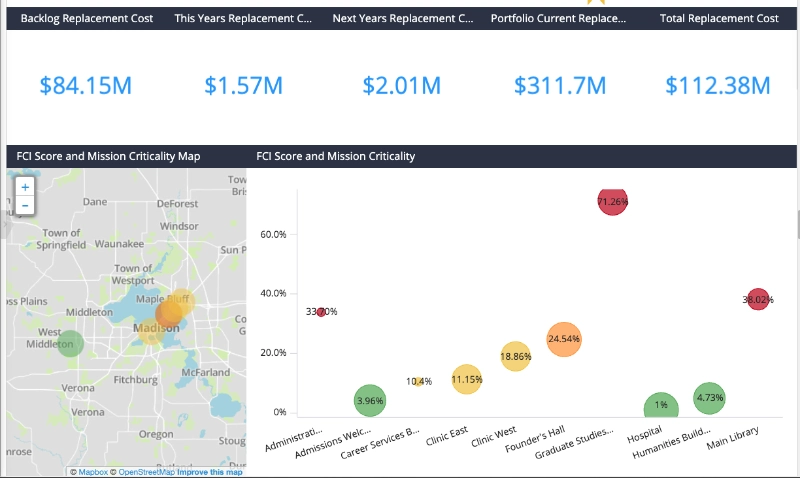
Your data needs maintenance just like your equipment does. A one-and-done assessment gives you a snapshot in time. But buildings change. Equipment ages. Work gets done. If you’re not actively maintaining your facility data, it goes stale—and stale data leads to bad decisions.
The concept of a “living FCA” addresses this. Instead of treating a facility condition assessment as a periodic event, you treat it as an ongoing process. Get a solid baseline, then continuously update it as conditions change. Some organizations build internal capacity to maintain the data themselves. Others establish ongoing relationships with assessment partners who come back regularly to update and validate the information.
Either way, the principle is the same: constant maintenance of your data is cheaper and more effective than letting it decay and starting over every few years. Just like your chiller.
You Can Own Your Strategy
In an ideal world, you’d work with one firm, using one consistent methodology, over the entire lifecycle of your facilities. In reality, competitive bidding requirements exist, budgets are tight, and staff turns over.
But facility data is only as valuable as the strategy behind it. Define what condition means for your organization. Own your prioritization standards. Be explicit about how you want assumptions handled. Keep your data maintained.
It takes upfront work to define what you need and how you’ll use it. It takes ongoing effort to keep the data fresh. But the payoff is facility information you can actually trust—and decisions you can make with confidence.