
The VE Hangover: When Today’s Cost Savings Become Tomorrow’s Maintenance Nightmares
Picture this: you’re a facility manager who just inherited a set of buildings with award-winning raw teak wood ceilings in the exterior hallways. Beautiful? Absolutely. Operationally practical? About as practical as carpet on a loading dock.
Meanwhile, the brand-new HVAC system has 100+ fan coil condensate pumps and piping runs that were “value engineered” to the point that they can’t keep up in late spring through peak summer. The result? Water is pooling and leaking from the walls into the rooms. Fun is definitely not the F-word we’re using here.
Now you get to tear out walls to redo the piping and pump placement—while your facilities team oils the raw wood ceilings annually. Living the dream
This scenario perfectly captures what we call the “VE hangover” – that brutal headache facility managers wake up with when yesterday’s value engineering decisions come back to haunt their operational budgets. Let’s talk about why cutting corners in construction is like playing hot potato with a grenade, and spoiler alert: the FM always gets left holding it.
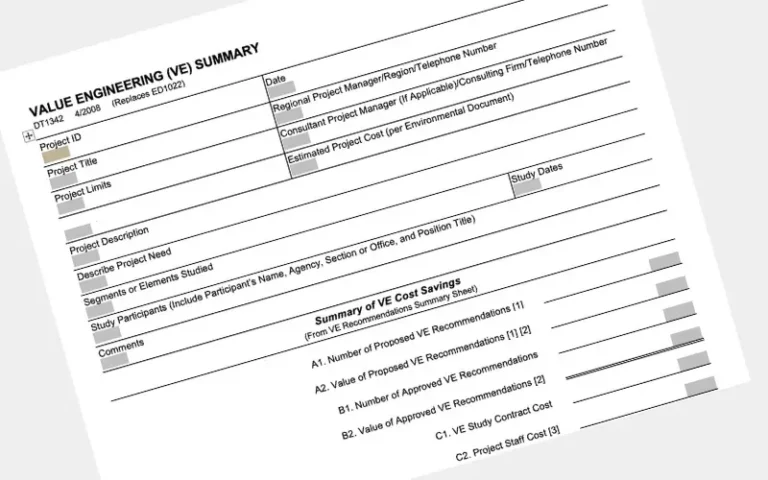
Value Engineering: The Art of Creating Future Debt
Here’s the dirty little secret about value engineering: It’s often less about “value” and more about “how can we make this cheaper right now?” These decisions are often made or strongly recommended by people who will never set foot in the building after substantial completion.
The math is simple but painful: Save $1 in capital expenditure today, spend $10 in operating expenses tomorrow. That’s not value engineering – that’s creating debt with interest rates that would make a loan shark blush.

The FM’s Catch-22: Invited Late, Blamed Early
Facility managers face a classic lose-lose situation with construction projects. When you’re not invited to the party, construction teams make decisions without your input, and you inherit systems you’ve never seen before. Surprise! Now it’s your problem.
If you are invited, you often can’t attend because you’re busy dealing with that “minor” valve explosion or that furnace that decided today was a good day to die. Real emergencies trump theoretical meetings every time.
Even when you do attend, you become the Debbie Downer of construction meetings. Warnings about maintenance nightmares fall on deaf ears while architects and construction managers are already locked in their own battle royale.
To be clear, we’re not suggesting you crowd the construction meetings with every stakeholder who has an opinion. Too many voices in the room lead to scope creep, which ironically creates more pressure for value engineering in the first place. Owner scope creep is often what creates the need. But facility managers need to be more than an afterthought – they should be active participants, if not key stakeholders, in those design and construction discussions from the start.
Bridging the Gap: Your FM Survival Guide
Ready to fight back against the VE hangover? It starts with understanding the game. The VE process is designed to make the architect and contractors look good when the project is running over budget, and leave you holding the work orders. Once you accept this reality, you can start playing offense instead of defense.
- Research before it’s installed. Don’t wait until that fancy new system is bolted to your ceiling to Google it. Research materials and equipment during the design phase. Look up manufacturer maintenance requirements, common failure points, and total cost of ownership. Knowledge is leverage.
- Build your own specifications playbook by creating standard specifications for your facility to hand to engineers before they begin designing. Standardize motor specs (1-10 HP from brands your team knows and trusts), create a “banned list” of maintenance nightmares (we all have those panic bar brands we’d rather never see again), and document what you stock – if you have parts on the shelf, specify the equipment that uses them.
- Calculate and communicate the total cost of ownership. When someone suggests a cheaper alternative, be ready with a lifecycle cost analysis. A $5,000 pump that lasts 15 years with minimal maintenance beats a $3,000 pump that fails every 3 years and requires proprietary parts. Document these comparisons and bring receipts to the meeting.
- Demand a seat at the table early. Push to be included in design review meetings, not just punchlist walkthroughs. If you can’t attend in person, submit written comments on plans. Make your concerns part of the official record so they can’t claim ignorance later. Actually read the RFIs!!
- Document everything. Keep records of equipment failures, maintenance costs, and repair frequency by manufacturer and model. Your battle scars are data. When the next project starts, you’re not just offering opinions – you’re presenting evidence.
- Build relationships with the design team. Find an ally on the architecture or engineering side who understands operations. One sympathetic ear in the design meetings can amplify your concerns when you can’t be there.
- Finally, request maintenance manuals and training before substantial completion. Don’t let the construction team hand you keys without O&M manuals and proper training on new systems. Make this a contractual requirement, not an afterthought.
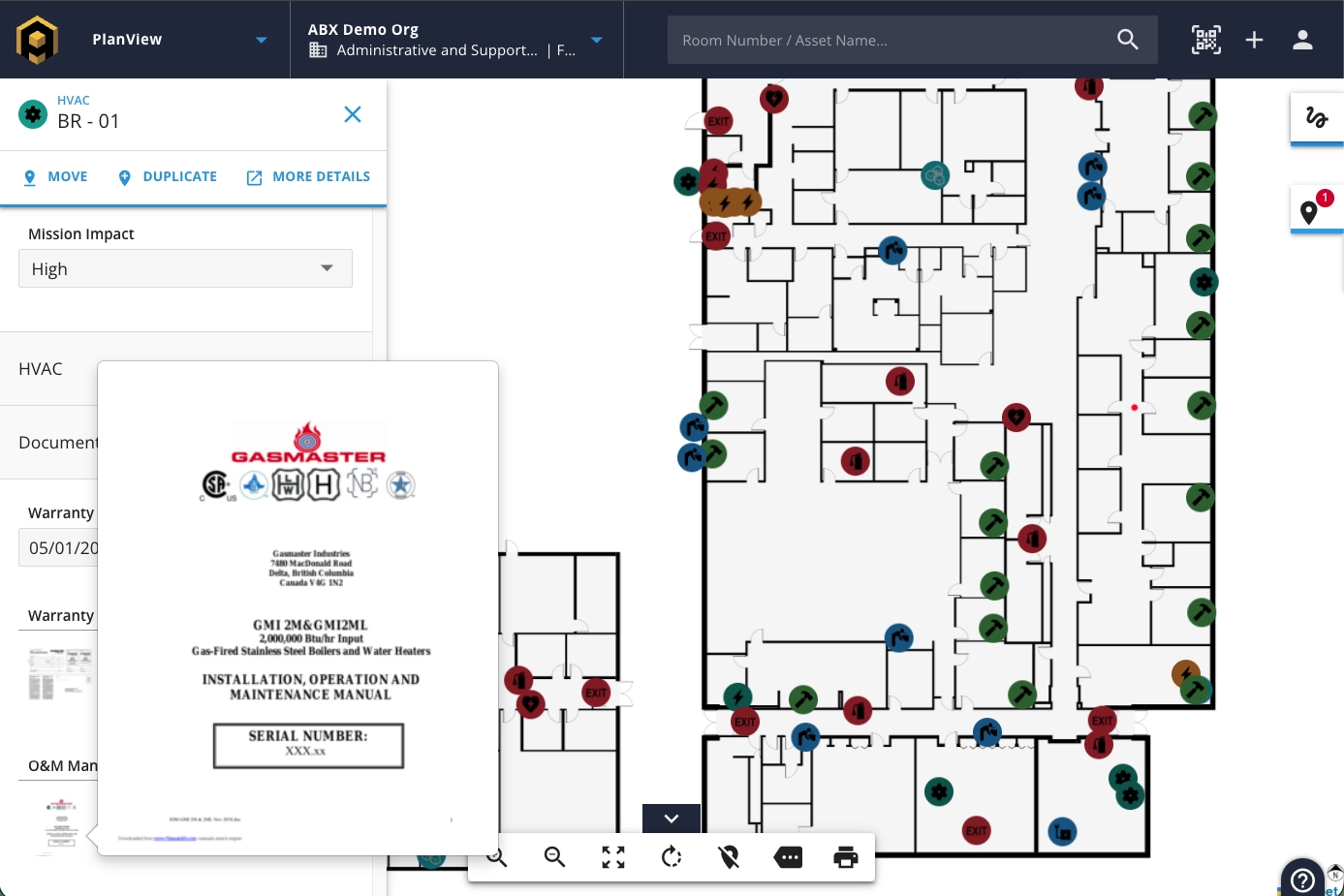
Facility and asset lifecycle management software like AkitaBox helps document assets, their locations, conditions, costs, maintenance, and more, all on an easy-to-use interface.
The Bottom Line
The VE hangover is real, but it’s not inevitable. By getting involved early, speaking up, and setting your own standards. Every dollar “saved” in construction that costs you ten in operations isn’t value engineering – it’s just expensive procrastination.
Because, at the end of the day, the best time to prevent a maintenance nightmare is before it’s installed. The second-best time is to have the documentation, data, and relationships to ensure it doesn’t happen again.