
Breaking Down Silos Through Dynamic Capital Management
FM Case Study: YMCA of Greater Rochester
When Brad Ralston joined facilities team at the YMCA of Greater Rochester in 2017, he inherited a multi-facility system that reflected the organization’s rapid growth and evolution. He also inherited the YMCA’s Excel spreadsheet—in a binder created in 2015—that made it difficult to keep up with the organization’s expanding facilities’ needs and complexities across 17 locations.
Like many growing nonprofits, the YMCA of Greater Rochester had focused on daily operations while longer-term planning took a back seat. When the organization’s COO and CFO approached Ralston with a directive to find a more modern and comprehensive system, it marked the beginning of a transformation that would reshape how facilities and finance work together.
YMCA of Greater Rochester Overview
Industry
Health & Wellness Centers
Challenges
- Reactive maintenance practices
- Facilities and Finance silos
- Lack of complete and accurate asset information
Time Using AkitaBox
1 Year
The Challenge: From Reactive to Strategic
The YMCA of Greater Rochester manages an extensive portfolio including 14 traditional branches and multiple camps, spanning everything from fitness centers to overnight camping facilities.
The existing asset replacement plan had limitations that created operational challenges. “We just waited for something to break, and then we were reactive,” Ralston recalls. This reactive approach meant emergency replacements often took priority over strategic planning, making it difficult to forecast capital needs accurately.
The departmental structure, typical of many organizations, meant facilities and finance operated with limited interaction. “Communication was only there when necessary.” Ralston notes. This separation wasn’t unusual, but it created barriers to effective capital planning.
Most significantly, the organization lacked comprehensive visibility into its asset portfolio. “Nobody knows how many assets you have,” Ralston observes. “There’s an assumption – you have 20, 30 assets per branch – and no, we actually have 100s per branch.” Without accurate data on asset conditions and replacement timelines, making informed investment decisions proved challenging.
The Solution: Executive Vision Meets Facility Innovation
When tasked with finding a modern facility management system, Ralston evaluated numerous options. His reaction to AkitaBox was immediate and unprecedented. “I’ve never gotten excited about software before, but could see myself owning this and being the guy who’s going to take this to the next level.”
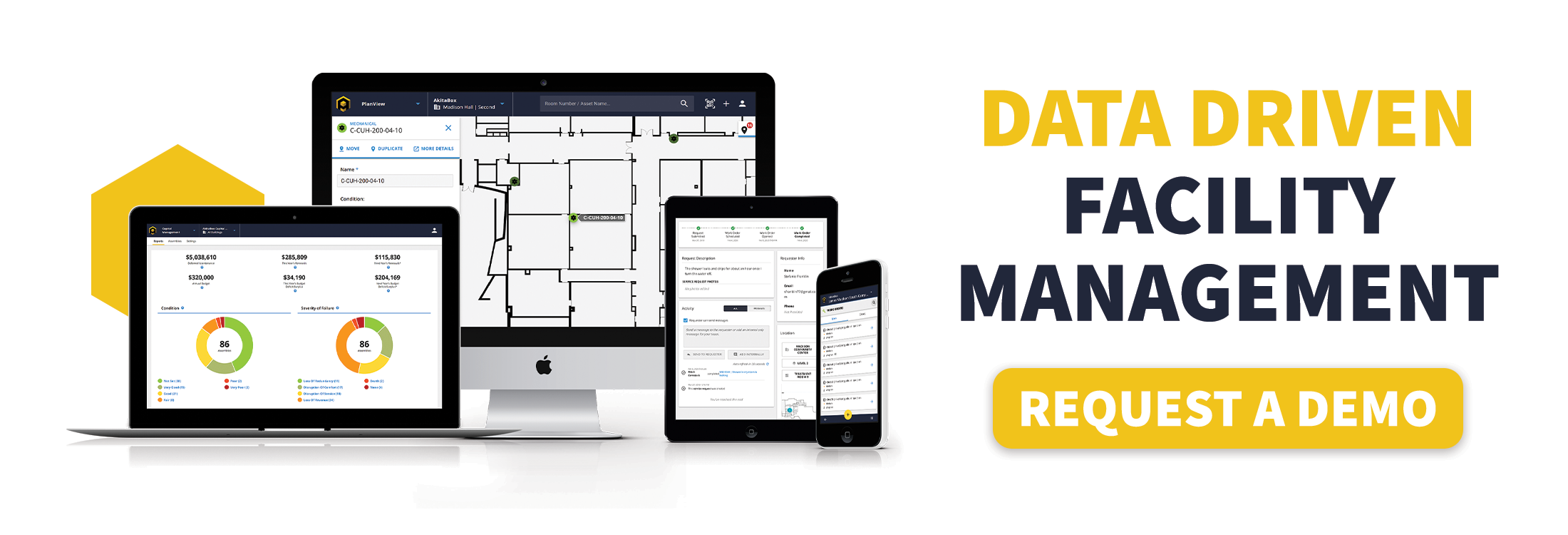
What captured Ralston’s attention—and ultimately the enthusiasm of the executive team—was AkitaBox’s integrated approach to capital management. The platform’s Capital Management module, combined with a nationally recognized costing integration and the AkitaBox Insights dashboard, promised to transform how the YMCA approached financial planning for facilities.
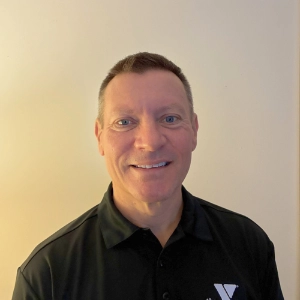
“I’ve never gotten excited about software before, but could see myself owning this and being the guy who’s going to take this to the next level.”
Brad Ralston • Senior Director of Facilities, YMCA of Greater Rochester
Building a Dynamic FM and Capital Planning System
Ralston and his team took a strategic approach to implementation, starting with the work order system at their most manageable facility where a tech-savvy team was eager to adopt new systems. This allowed them to refine their processes before expanding to larger, more complex locations.
Defining Assets: Finding Common Ground
One of the steps in implementation has been establishing clear criteria for what constitutes an asset. Facilities may have one way of identifying an asset, while the CFO might have a different perspective.
The YMCA facilities team developed a multi-tiered approach to asset classification that balanced financial and operational needs: track everything necessary for operational and compliance purposes, but only include financial data for items that met the CFO’s capital planning thresholds. This dual approach satisfied both the facility team’s need for comprehensive tracking and the finance team’s focus on significant capital investments.
Ralston’s vision went beyond static reporting. He began collaborating with the executive team about the dynamic nature of modern facility management. “This is not a static system,” he explains. “This is a dynamic system. It’s always moving.”
Results: A New Era of Collaboration
The transformation at YMCA of Greater Rochester extends far beyond improved data management. A significant change has been in how facilities and finance work together to make strategic decisions.
Executive Enthusiasm Drives Culture Change
The response from the C-suite has been nothing short of transformative. “They’re ecstatic.” Ralston reports. But more than just approval, the executives have become active participants in the facility management process. “The COO and the CFO are looking at the data that I present to them, and their minds are moving with new possibilities we can do with the software. It’s so much more than we expected,” says Ralston.
This excitement has translated into tangible support. The organization approved hiring a dedicated system administrator for AkitaBox—a clear indication of their commitment to the platform’s success.
“They’re ecstatic. The COO and the CFO are looking at the data that I present to them, and their minds are moving with new possibilities we can do with the software. It’s so much more than we expected.”
Brad Ralston • Senior Director of Facilities, YMCA of Greater Rochester
From Silos to Strategic Partnership
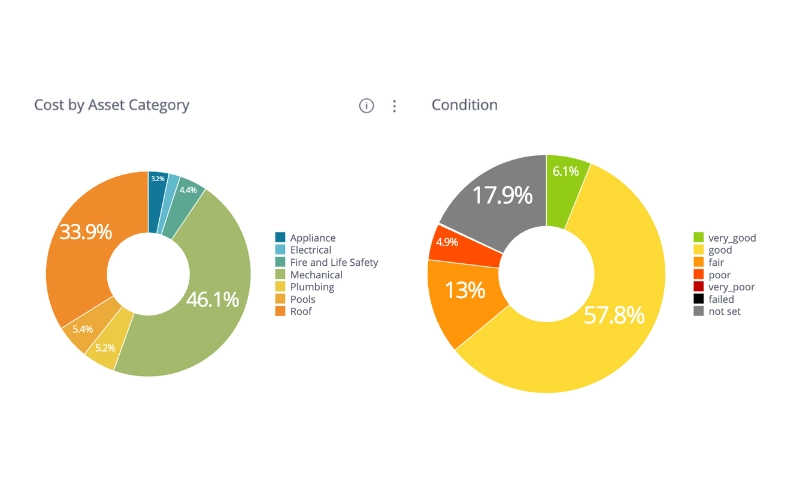
The cultural shift from departmental silos to collaborative planning represents a significant achievement for any organization. “We’re having more conversations about where we should go and the future,” Ralston notes. The Insights dashboard, with its visual representations of asset conditions and capital needs, has become a common language between departments.
The visual nature of the platform particularly resonates with the leadership team. “They’re visual people,” Ralson observes about his CFO and COO, “so the Insights graphs and all the bar graphs you can dial in – I can feel the buzz between the two of them.”
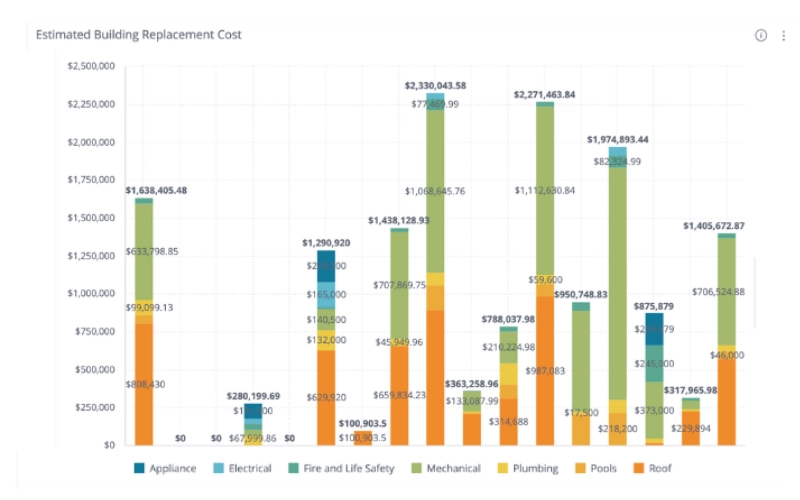
This collaborative approach has fundamentally changed how the Y approaches capital planning. “When they say ‘we’ve got an extra $2 million to spend this year, what’s your laundry list?’” Ralston explained. “I can go down that list and say, ‘okay, everything that’s in poor condition, start there.’” This systematic approach to prioritization ensures that limited resources are deployed where they’ll have the greatest impact.
The organization has also gained unprecedented visibility into its asset portfolio. “Now I have a firm understanding of how many assets we truly have,” Ralston notes. “We have 52 pages of assets… nobody knew that.” This comprehensive inventory, complete with condition assessments and replacement costs, enables proactive planning that was impossible previously.
Beyond Capital Planning - Rapid Inspection Program Success
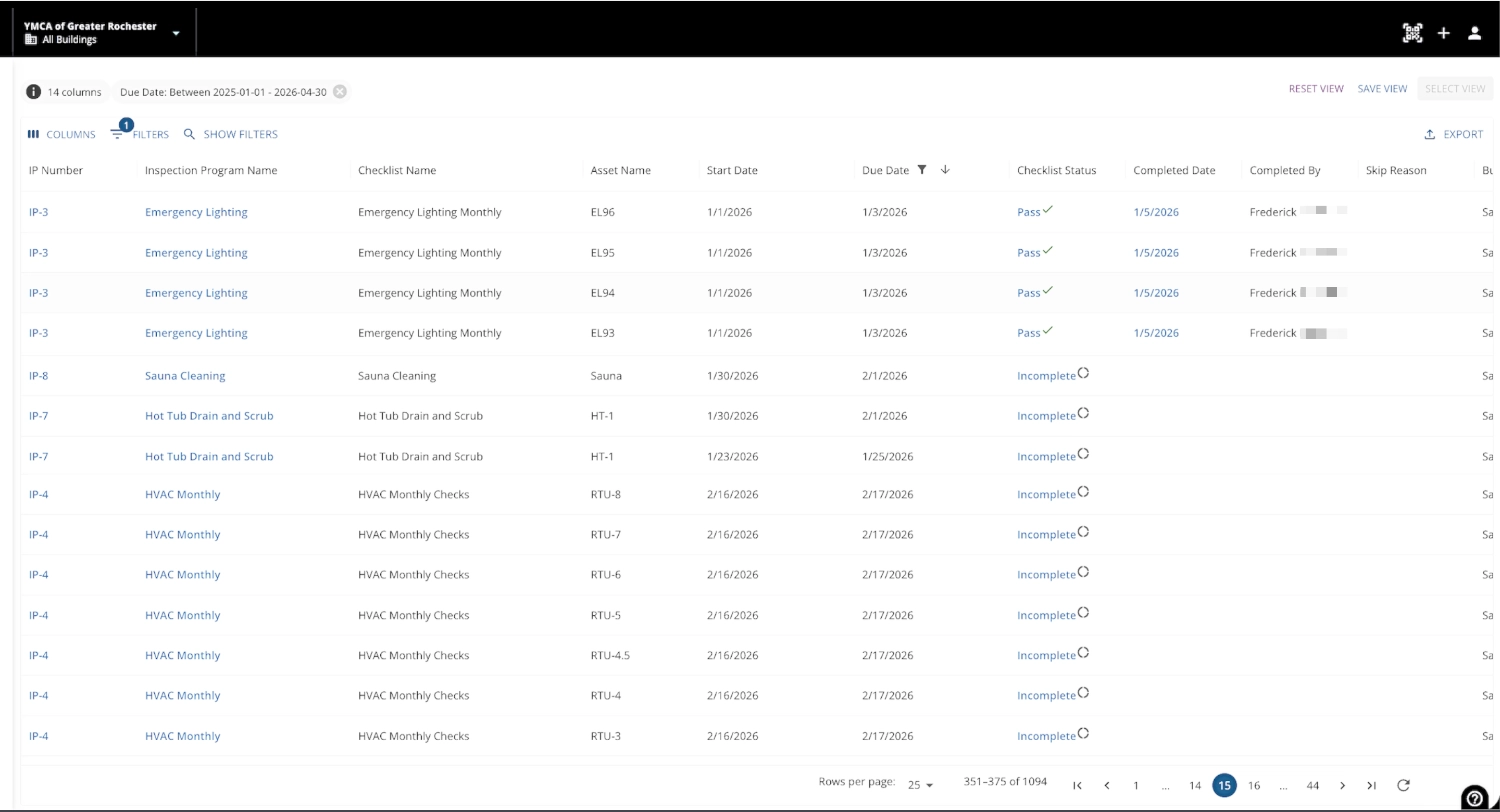
AkitaBox doesn’t just hold the YMCA’s asset, work order, and cost information–it’s also the platform for its compliance tracking. To demonstrate the system’s operational capabilities, the team launched their inspection program on November 1st. In less than 20 business days, they completed 146 inspection stops—a testament to both the platform’s usability and their thoughtful implementation strategy. One branch’s building and grounds supervisor took ownership of an inspection program, quickly identifying 150 emergency lights that needed tracking–quite a few more than one would normally expect, providing valuable information for future compliance and maintenance.
Looking Forward: Building on Success
The YMCA of Greater Rochester’s journey with AkitaBox is still in its early stages, but the foundation for long-term success is firmly in place. The organization has already expanded implementation to three major branches, with plans to complete the rollout across all 17 locations.
“I’m envisioning 2 years from now being pretty well rounded out,” says Ralston. The goal is to develop a comprehensive preventive maintenance program that will extend asset life and provide the documentation needed for informed replacement decisions. “The best system will allow you to tailor and fine-tune whether or not it truly needs to be replaced,” Ralston explains.
The organization’s commitment is evident in their continued investment. Beyond the system administrator role, they’re planning to expand tracking to include swimming pools, vehicles, and other asset types. They’re also implementing dashboard displays in the office to provide real-time visibility into operations across all branches.
Perhaps most importantly, the cultural transformation continues. Having met the requirements of the system for the CFO and COO, Ralston is confident that when they go to show it to board members “it’s going to blow everybody away.”
Key Takeaways
The YMCA of Greater Rochester’s experience demonstrates that successful facility management transformation requires more than just new software—it demands a shift in organizational culture and executive engagement. By choosing AkitaBox’s integrated platform and focusing on capital management capabilities, they’ve broken down long-standing silos between facilities and finance.
Their strategic approach—starting small, building expertise, and expanding methodically—provides a roadmap for other organizations facing similar challenges. Most importantly, their story shows that when facilities teams have the right tools and executive support, they can evolve from reactive service providers to strategic partners in organizational success.
In an industry where facility management often struggles for recognition and resources, the YMCA of Greater Rochester has found a path to the boardroom—and they’re just getting started.